Element 7 – Meeting the Mentor

Mentors, those wise, often inscrutable, founts of wisdom. Every story needs one or two.

From the movie “Roald Dahl’s Matilda the Musical”, TriStar Pictures, 2022

In this post, I’ll help you shop for the perfect mentor.

But why a mentor, Precious?

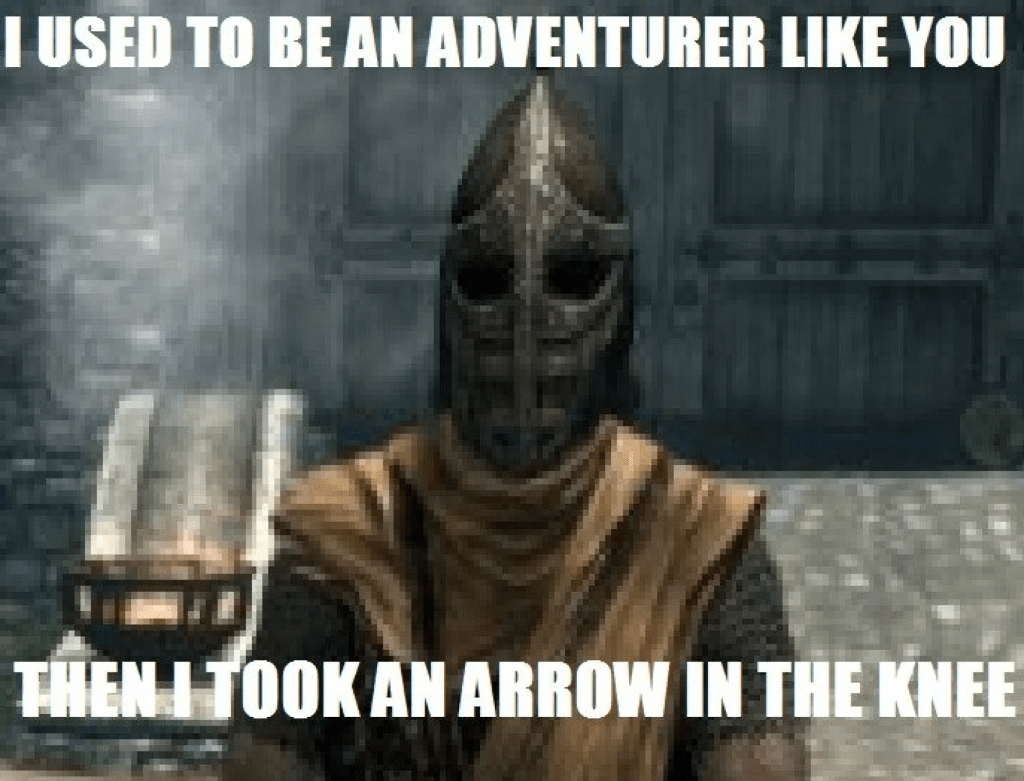
Credit: fergusmcgee / funnyjunk

The mentor has been there and done that. Often they have the T-shirt or knee pain to prove it.

Their role in the story is to help prepare the MC for what is to come. Or at least try to. Many MCs are very poor listeners.

Some helicopter-mentors accompany the MC throughout the story. Others prefer to boot them out of the nest and hope they can fly. Some mentors are very busy and only show up occasionally.

As with just about every character role in a story (apart from the MC) the mentor can and does moonlight in other roles. They can also be a best friend, a love interest, an elderly friend or even an antagonist as we see in the relationship between Elphaba and Madame Morrible from the book, play, and movie Wicked.

Obvious examples of mentors include teachers, trainers, coaches, grandparents and to some extent parents (although they are often the LAST person a young MC is likely to listen to).

It’s important to note that Meeting the Mentor scene(s) can be combined with Refusal of the Call, especially if the mentor is the person who talks the MC through their reservations about accepting the Call to Adventure.

Let’s learn more about what mentors do.

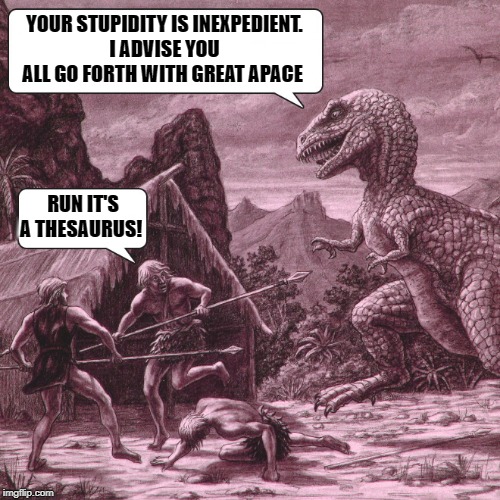
Created with the Imgflip Meme Generator

Any character can offer insight, wisdom, advice, council, guidance…okay, set the thesaurus down and back away!

So what makes a mentor different from a helpful friend?

Sometimes, not much; however, the mentor plays a specific role in that they not only encourage the MC, they prepare them to embark on their quest and often, but not always, help them throughout the quest.

But wait – there’s more. Not only does the mentor mentally prepare the MC to embark on their quest, they may also physically prepare them. Do they need special training? Equipment? A magical item or some kind of cool space McGuffin from the Planet Yürelliax?

Luckily, the mentor either has this or knows where and how to get it and will share that information with the MC.

Quick example: I’m at home and we need tomatoes from the farmers’ market. I grab some money and am heading out the door when my sister says, “You can do it. Get the best tomatoes ever. I believe in you.”

Aww, thanks, sis!

My other sister says, “Make sure you get the ones from the Wild River Farm co-op. They’re heirlooms and they taste the best. Tell them I sent you and they’ll give you some wild garlic, too. And don’t forget the shopping bag by the door.”

Here we have two encouraging sisters, which is lovely, isn’t it? But which is the mentor?

Since you’re smart (you’re reading this post so you must be), you can easily see that Sister #2 is the one providing helpful advice and equipment needed for the tomato quest.

While some mentors can be encouraging, they are frequently more of a swift-kick-in-the-keister kind of person. Unlike the MC, the mentor realizes the importance of the quest and if they could do it themself, they would. But they can’t, so now the MC has to step up.

Writing Exercise:

Write a scene where a mentor is encouraging the MC to do something.
Now rewrite that scene with a bad mentor. How can the MC still learn the skills they need or get the gear vital to their quest?

Element 1 – Big Trouble

Whether your story starts en medias res or with a loving description of the how the universe began, it has to start somewhere.

Many Western stories follow the Hero’s Journey as described by Joseph Campbell. For the purposes of learning and practicing story structure, this is the model I’ll be using – at least in the beginning.

In the beginning…

Introduces main conflict of the story. As my ever-zen writing workshop instructor Charlie used to say, “What’s the what of this story?”

External Conflict – something threatens the Main Character (MC)’s State of Perfection (SOP)

Internal Conflict – MC is emotionally stuck. They have a deep fear, limiting belief, or conflicting desires.

State of Perfection – Yes/No?

State of Perfection means the MC has a reasonably happy, comfortable life. They are not motivated to change things. They like what they like and they don’t want to have any adventures.

If the MC starts in the SOP, they will be fighting to stay there, resistant to change, reluctant to leave.

It’s a bit more tricky to start with an MC not in SOP because you have to weave in backstory and benchmarks to explain why the MC is not in SOP and what exactly MC thinks SOP is (at the beginning of the story). We know MC’s SOP may change as they grow through the story, but we need a start point to…well…start from.

Worldbuilding:

Whether you’re writing spec-fic filled with nanotech, tentacle monsters, and swords and sorcery, or writing about a knitting circle in Blandsville, Nebraska (sorry, Nebraska, I still love you), you’ll need to establish where your MC is and what they’re doing.

Do NOT dump info. This is the part where you splash your reader with the world, not drown them in it. It’s more important that the reader connect with the characters and care about them than the reader understand how the hyper-drive 7000 works or the exact ritual elements needed to summon Yog Gogiryazhiji.

Instead, focus on the details the characters would care about. Unfold the world through their experience of it and trust that you’ll be able to work in all the cool tech, alien races, ancient elven feuds, and the finer points of the Double Moss Knit Stitch Pattern later.

Spreadsheety Goodness:

I have a spreadsheet and I’m not afraid to use it. Your tools may vary: 3×5 cards, notebooks, whiteboards, various software, a trusted friend or random pelagic bird who happens to be a great listener. Whatever you need to help you organize your thoughts, use it.

Image by Mario Liebherr from Pixabay

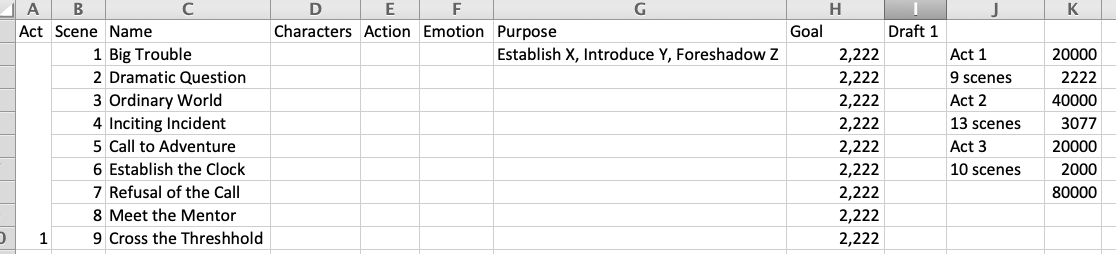
If you’d like to use my spreadsheet layout, here’s an example of Act I, Elements 1-9. I tend to ramble when I write, so I have broken down my word count targets based on an 80,000 word novel. That gives me 25% Act 1, 50% Act 2, and 25% Act 3. These are my rough goals to help me stay on track and should not be taken as carved in stone limits.

Additional Resources:

“The Writer’s Journey” by Christopher Vogler

Mythcreants has a beautiful post about the Heroine’s Journey that is well worth your time!

Fiction Fluency or really any class you can get from Eric Witchey, who is an absolute wizard when it comes to writing emotions.

Life Insurance

Once upon a time, things had been different in a grand old sort of way. A life lived on the upper edge as if soaring ever onward on the silver tipped wings of a peregrine falcon. Life had unfurled, striped and bedazzled, beboggled as if agoge at some fantastic celebration. All it lacked were actual fireworks to burst across the sky in torrents of red, white, gold, and green. Fiery flowers dancing in the air, born in a single, shattering explosion to a life of ethereal beauty. All they knew was heaven. From their point of view, the world below was broad and flat and all its inhabitants only so many upturned faces, gaping in awe or cowering in terror.

What divinity, she thought, to live as fireworks did. What divinity and yet, when they were gone, no one noticed. No one remarked on the death of a sparkler, on the loss of a Roman candle. No one mourned that flashy green puff of light in the night sky, ringed by silver drops like angels’ tears. They gloried only in a firework’s life and forgot it ever existed the moment it expired.

So maybe the life of a firework wasn’t perfect, but at least people noticed. At least they cared, if only for a moment.

It was in this wistful and resentful mood that she snatched her red paper cup from the counter, strode out of the shop, and was struck by the number 95 uptown bus, the side of which advertised life insurance.

***

Author’s Note: Found a writing exercise from my time in the Kidd Tutorial program. Still trying to make sense of it. Your thoughts/feels?